Article
Multi-Chamber Ocarinas: The Japanese Refinement of an Italian Art?
A historical journey through the development of multi-chamber ocarinas in the 19th, 20th, and 21st centuries
Written by Vinícius Carvalho Quesada.
- Published
- Updated
Many ocarina enthusiasts browse online shops, come across the term “multi-chamber,” and immediately wonder: what on earth does that mean?
The truth is, multi-chamber ocarinas were born out of a practical need among Italian craftsmen in the late 19th century: to extend the instrument’s range. After all, a traditional single-chamber Italian ocarina has a limited range, barely exceeding an octave and a half.
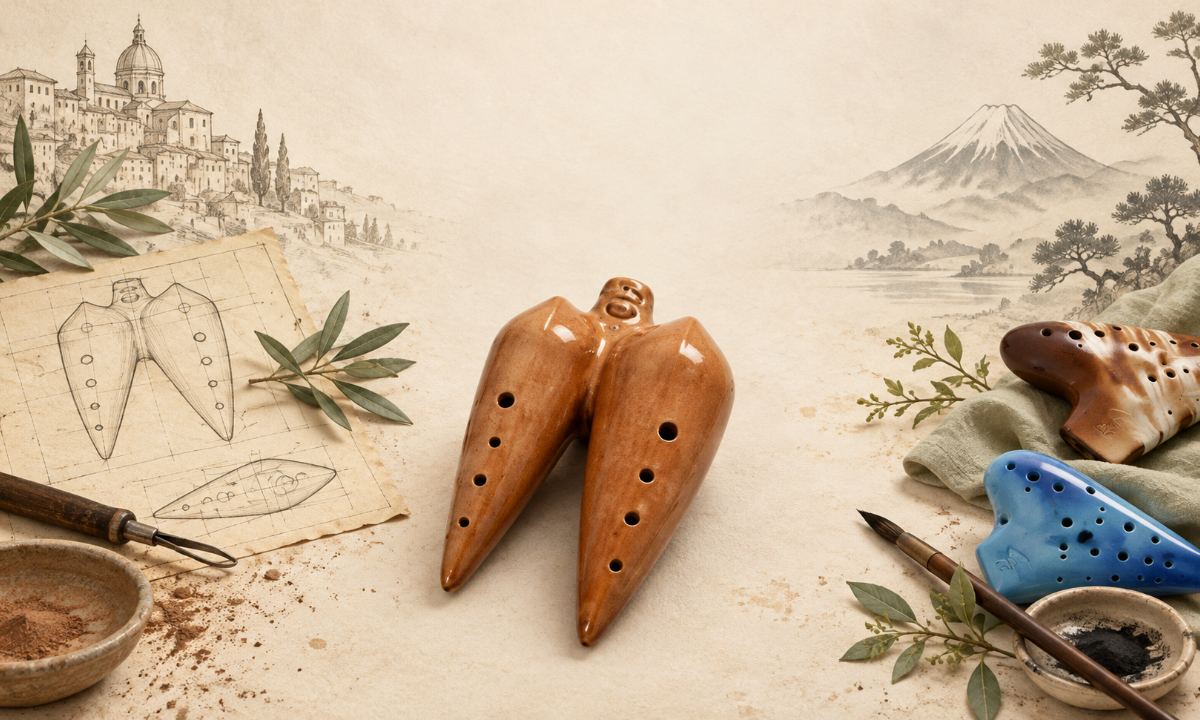
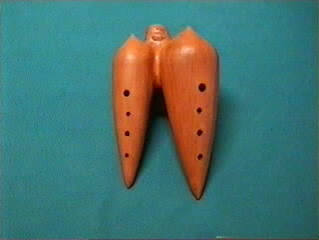
The master craftsmen Cesare Silvestri and, later, Emilio Canella designed the first double ocarinas during that period — essentially two ocarinas joined together in a single body, opening up the possibility of a considerably wider range. But what could possibly go wrong? These early models were large, rather unwieldy, and initially difficult to handle. They also suffered from inconsistent tone quality between chambers. Without the necessary technical and acoustic expertise, the design eventually faded into obscurity in Europe for many years.
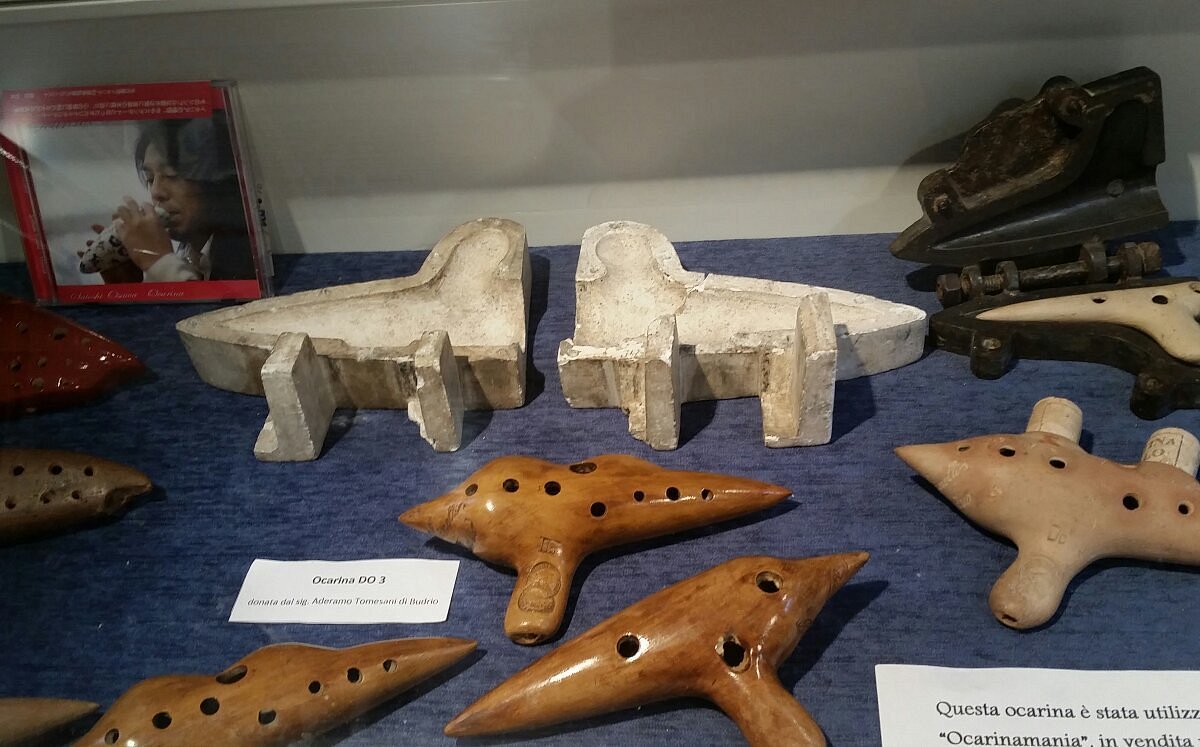
Meanwhile, ceramic instruments from Europe began making their way around the world and found fertile ground in Japan, where pottery was a craft pursued with extraordinary precision and discipline. It was only a matter of time before a major figure began conducting experiments of his own. We’re talking, of course, about master craftsman Masato Aketagawa, who revolutionized the market in 1928 by introducing the 12-hole model. By refining the subhole system used in earlier designs, he made it easier to play semitones and intricate chromatic passages that had previously tied musicians’ fingers in knots. The result was such a success that the Aketa brand remains active to this day, with its instruments regarded as true luxury items!
Galeria de imagens
Aketa Ocarinas
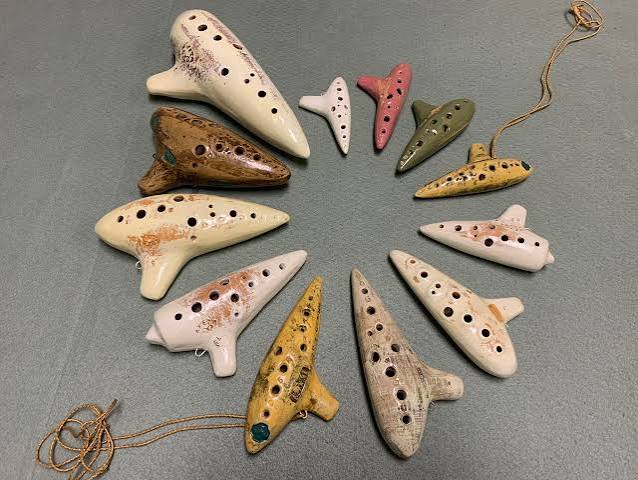
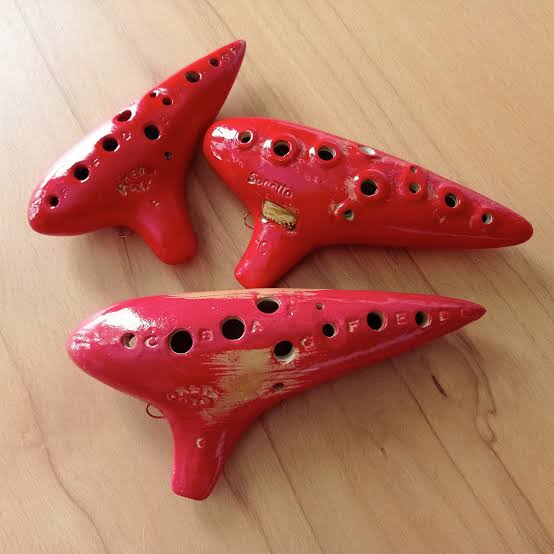
However, Japanese makers faced the same limitation in range that had challenged the Italians decades earlier. So they decided to revisit the experiment that had stalled in Europe: they reworked the instrument’s airflow dynamics, recalibrated the air pressure required by each chamber, and standardized the tone with surgical precision. Master ocarinist Nobuya Osawa became one of the leading figures in this refinement process, with his designs and collaborations helping shape high-performance brands such as Night and Focalink/Osawa. As a result, the old problems involving breath control and ergonomics were overcome, allowing musicians to perform demanding concert repertoire with exceptional comfort.
Galeria de imagens
Focalink Triple Ocarinas

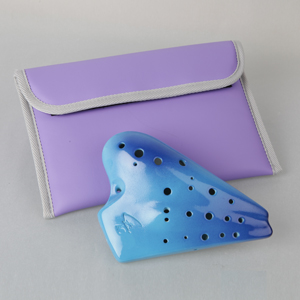
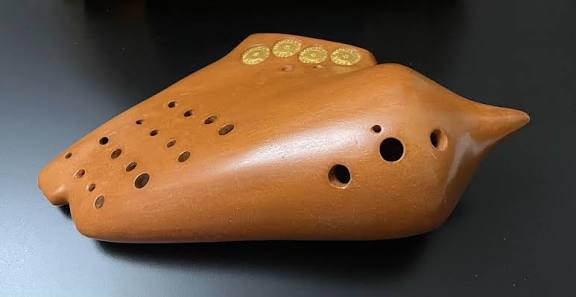
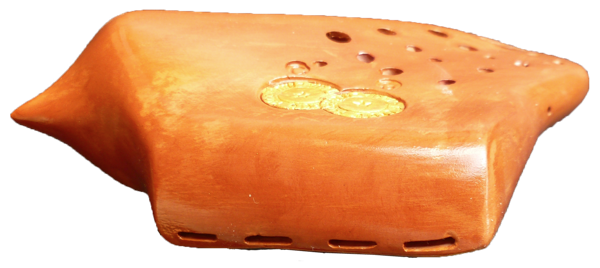
And so the story came full circle: in the late 20th and early 21st centuries, multi-chamber ocarinas made their way back to Italy through the work of leading contemporary masters such as Giorgio Pacchioni, who combined Asian technical precision with Europe’s rich artistic tradition. As the saying goes, what goes around comes around!
Galeria de imagens
Pacchioni Quadruple Ocarinas