Article
The Mystery of Metal Ocarinas
A brief history of metal ocarinas in Europe and around the world
Written by Vinícius Carvalho Quesada.
- Published
- Updated
Many people come across the metal ocarina recently produced by STL and wonder: “How did no one think of this before? How did nobody come up with the brilliant idea of making a musical instrument like this out of metal, just like concert flutes and other powerful instruments found around the world?”
The truth, however, is that people had already tried to make this happen in the past! What many don’t realize is that metal ocarinas were first mass-produced in the 19th century by ingenious European instrument makers.
While researching historical records in Europe, we came across pioneers who experimented with metals in search of a material that could withstand drops better than traditional ceramic or porcelain. That discovery took our investigation to a whole new level: we uncovered fascinating patents and historical records from the period.
Making ocarinas this way makes perfect sense when we consider the Industrial Revolution. These instruments embodied the spirit of the age: the power of industry and the versatility of metal shaped by skilled craftspeople for everyday people.
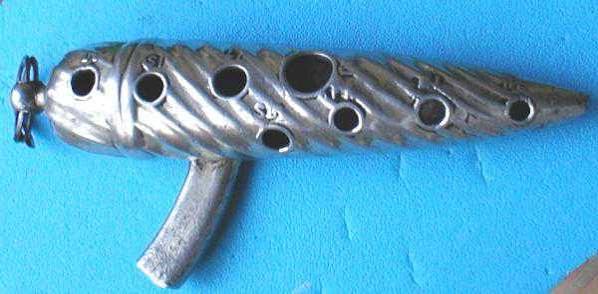
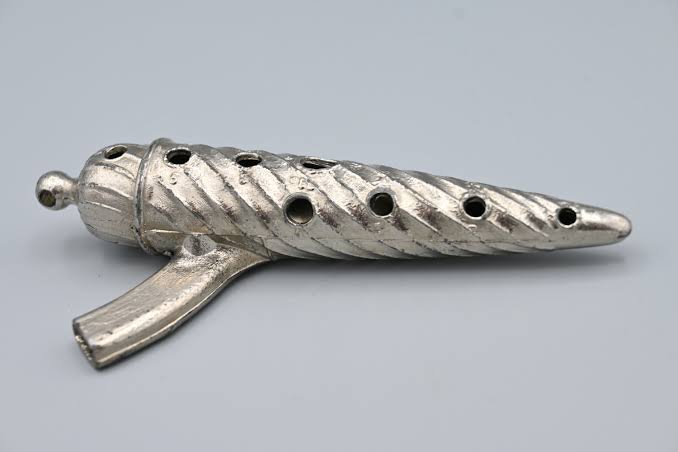
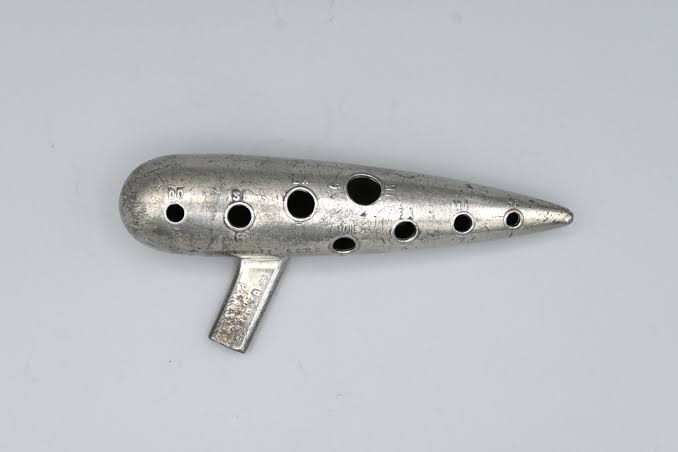
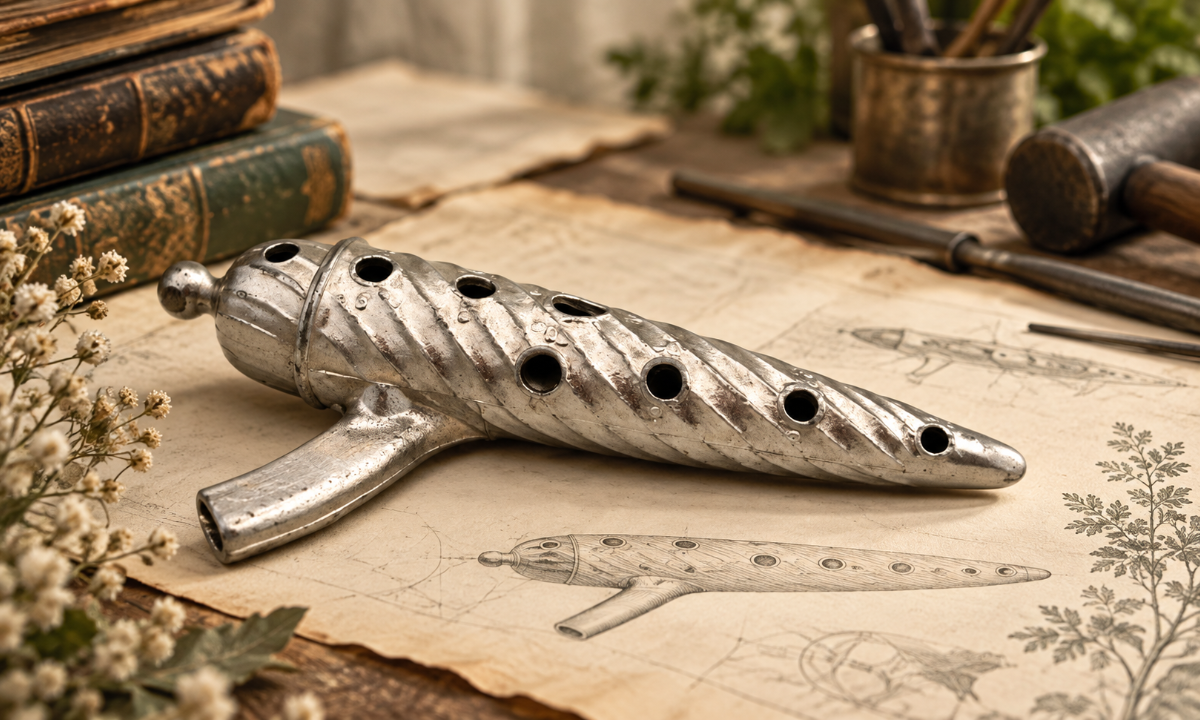
Things became even more interesting in France around 1875, when master instrument makers such as Charles Mathieu in Paris began producing exquisite metal ocarinas (usually made from nickel-plated pewter). Historical records and museum collections suggest that these French instruments featured striking spiral designs. Some experimental variations also explored the use of keys or clearly numbered finger holes to control musical notes!
Galeria de imagens
Charles Mathieu Metal Ocarinas